What A Weekly Shipping Container Homes Project Can Change Your Life
The Rise of Shipping Container Homes: An Innovative Approach to Affordable Living
Recently, the trend of utilizing shipping containers for homes has gained considerable popularity. As housing prices continue to soar, eco-conscious living becomes more enticing, and the need for ingenious solutions arises, shipping container homes become a feasible option. This blog site post digs into the various elements of residing in shipping container homes, explores their benefits and difficulties, and addresses some frequently asked concerns.
What Are Shipping Container Homes?
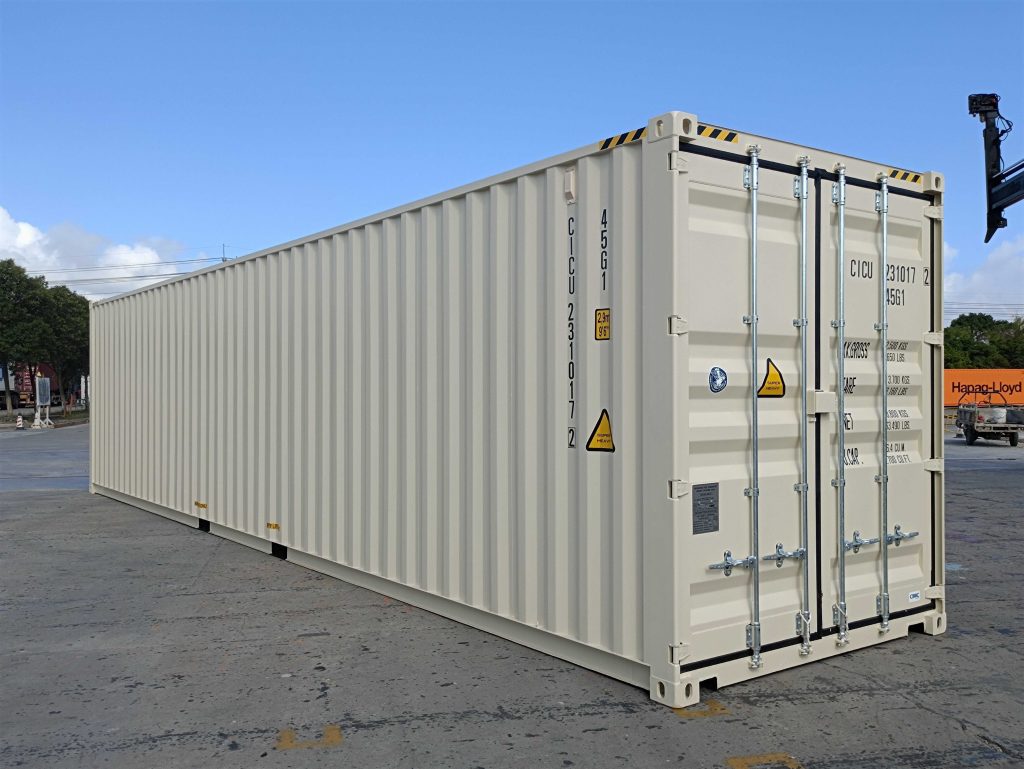
Shipping container homes are structures built from repurposed shipping containers, which are generally made from steel and can stand up to harsh weather condition conditions. They come in various sizes, with the most common being the standard 20-foot and 40-foot containers. These homes can be developed as standalone systems or combined to form bigger living areas, making them highly versatile to different way of lives and living plans.
Table 1: Common Sizes and Dimensions of Shipping Containers
Container Size
External Dimensions (feet)
Internal Dimensions (ft)
Square Footage
20-foot container
20' x 8' x 8.5'
19'4” x 7'8” x 7'9”
160 sq ft
40-foot container
40' x 8' x 8.5'
39'4” x 7'8” x 7'9”
320 sq feet
40-foot high cube
40' x 8' x 9.5'
39'4” x 7'8” x 8'9”
320 sq feet
Advantages of Shipping Container Homes
Shipping container homes include various benefits, making them an appealing option for lots of individuals and families. Here are a few of the essential advantages:
Affordability: One of the main reasons people pick shipping container homes is their cost-effectiveness. Buying a used shipping container can be considerably more affordable than conventional construction products.
Environment-friendly: By repurposing old shipping containers, people can minimize waste and promote sustainable living.
Toughness: Shipping containers are developed to endure severe conditions at sea, making them resistant to severe weather, bugs, and decay.
Quick Construction: The modular nature of shipping containers allows for faster construction times compared to traditional homes, considerably decreasing the time from design to move-in.
Versatility: Shipping containers are highly customizable, permitting homeowners to design and modify their living area to meet their particular requirements and choices.
Mobility: For those who want a semi-nomadic lifestyle, shipping container homes can be transported reasonably quickly, making relocation easier.
Challenges of Shipping Container Homes
While there are various advantages to shipping container homes, there are likewise some obstacles that potential homeowners ought to consider:
Zoning Laws and Regulations: Many municipalities have stringent guidelines governing using shipping containers as homes, making it necessary to research local zoning laws.
Insulation: Shipping containers can carry out heat and cold. Reliable insulation is essential to ensure comfort in extreme temperature levels.
Minimal Space: While containers can be combined for larger home, the initial footprint might feel smaller sized compared to conventional homes, which can be a downside for larger families.
Moisture Control: Shipping containers can trap wetness if not properly aerated or insulated, causing possible mold problems.
Funding: Traditional home loan options might be more complex for shipping container homes, making funding a challenge for some.
Building a Shipping Container Home: Key Considerations
If one is thinking about building a shipping container home, several factors require to be considered:
Research Local Codes: Before moving on, talk to local structure and zoning guidelines to ensure compliance.
Pick the Right Location: The website's ease of access, energies, and environmental elements significantly influence the comfort and feasibility of living in a shipping container home.
Design and Layout: Planning the layout thoroughly can maximize area and functionality. Incorporating open-plan styles can help create an impression of a bigger area.
Insulation and Ventilation: Invest in quality insulation and correct ventilation systems to make sure year-round convenience.
Budget plan for Services: Consider additional costs such as pipes, electrical setup, and website preparation, which can add to the general expenditures.
Regularly Asked Questions (FAQs)
1. Are shipping container homes economical?
Yes, shipping container homes can be fairly budget friendly compared to traditional homes, particularly when utilizing recycled products and minimalist designs.
2. For how long do shipping container homes last?
With proper maintenance and care, shipping container homes can last for decades. The steel structure is robust, but seasonal maintenance is necessary to prevent rust and rust.
3. Can I tailor my shipping container home?
Definitely! Shipping containers are extremely adjustable. COG Containers LTD can select the design, products, and finishes, making each home distinct.
4. Do shipping container homes require licenses?
Yes, building licenses might be required depending upon regional regulations. It's crucial to talk to local authorities before beginning your task.
5. How do shipping container homes carry out in severe weather condition?
Shipping container homes are developed to stand up to significant pressures and forces, making them durable in extreme weather. However, proper design and insulation are essential to ensure convenience.
Shipping container homes represent an innovative option to contemporary housing difficulties, providing cost, sustainability, and adaptability. As this pattern grows in appeal, it encourages more conversations about environment-friendly living and the importance of inexpensive housing. Nevertheless, with any housing alternative, mindful planning and factor to consider are essential to making it a reality. By weighing the advantages and difficulties, potential property buyers can make educated choices about whether a shipping container home is the best option for them.